Plan research in Gambia.
Explore a research brief for Gambia, in Western Africa. Start with the decision you need to make, the people you need to reach and the evidence you need to collect.
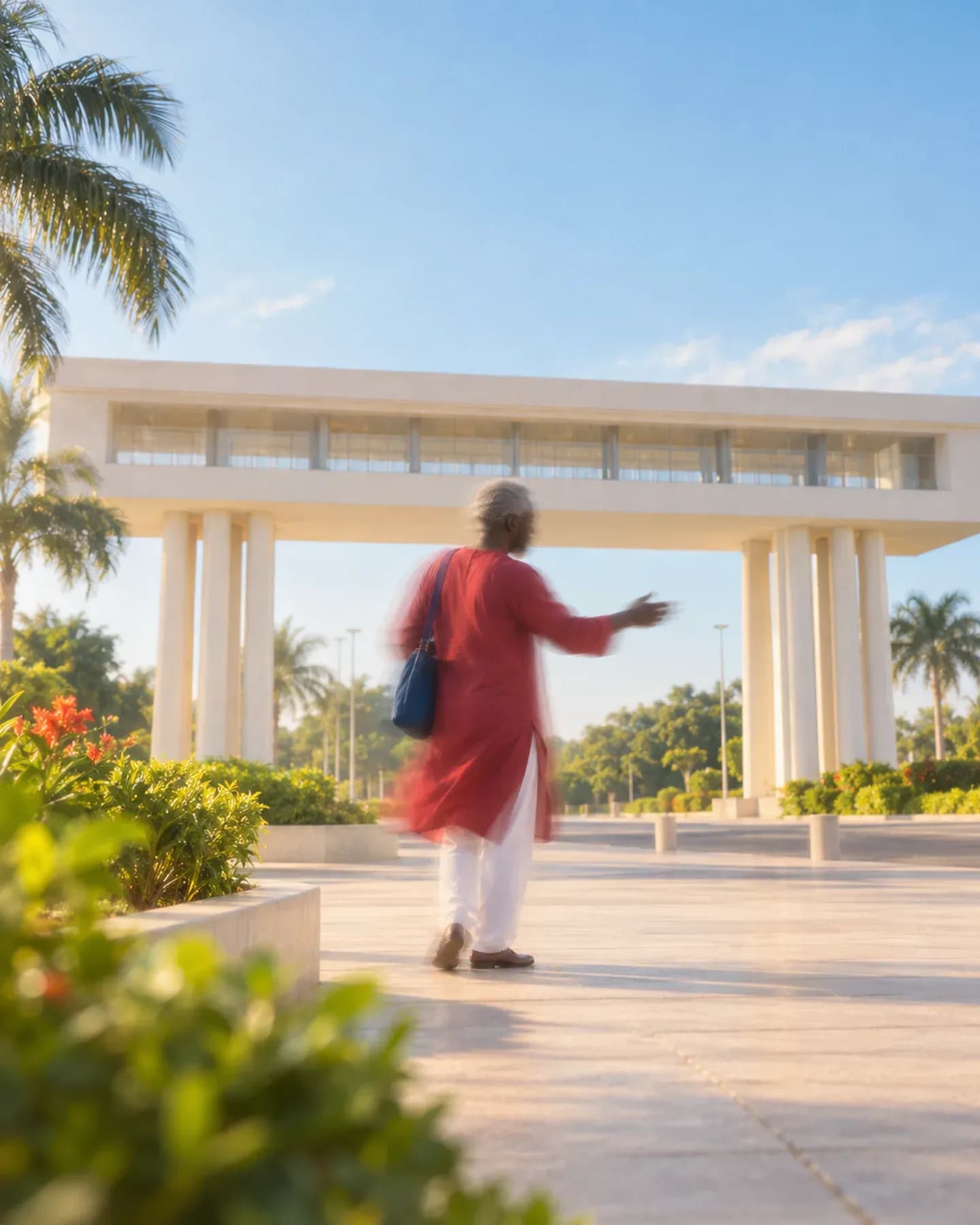
Fieldwork context in Gambia
English is the official language and the working language for government and written instruments. National interviewing normally needs Mandinka, Wolof, Fula and Jola, with Serer or Sarahule for some communities. Translation should focus on oral delivery and back-translation by language group, because English literacy does not equal comfortable survey comprehension.
The population is concentrated along the Gambia River, with Serekunda, Brikama and the Banjul area carrying most urban activity. Rural communities follow riverbanks, agricultural areas and smaller market towns. National samples need Greater Banjul separated from up-country local government areas; targeted studies should define river bank, urban ward or rural livelihood coverage.
Mobile phone access supports CATI for many segments, but online surveys skew toward Greater Banjul, youth and formal workers. Face-to-face work should plan around rainy-season roads, river crossings and local alkalolu or council coordination. Health, school or public studies commonly need ministry and ethics approval. Fieldwork usually takes about two to four weeks.
Fieldwork notes compiled from public sources by Surveysphere Africa; confirmed with our in-country partner before a study starts.
Define your local study requirements
Plan the locations, participants and practical requirements for your study.
Study locations and participants
Identify the locations and audiences you need to reach in Gambia. Confirm access and recruitment feasibility before commissioning.
Languages and methods
Specify interview languages, accessibility needs and your preferred collection approach. Local availability must be confirmed.
Timing and approvals
Share your intended fieldwork dates and any institutional or participant approval requirements.
Research approaches in Gambia
Explore the service that fits your research question.


Plan your study in Gambia.
Tell us who you need to reach in Gambia, what you need to learn and when. We will discuss the feasibility with you.
Discuss a study in Gambia