Plan research in Algeria.
Explore a research brief for Algeria, in Northern Africa. Start with the decision you need to make, the people you need to reach and the evidence you need to collect.
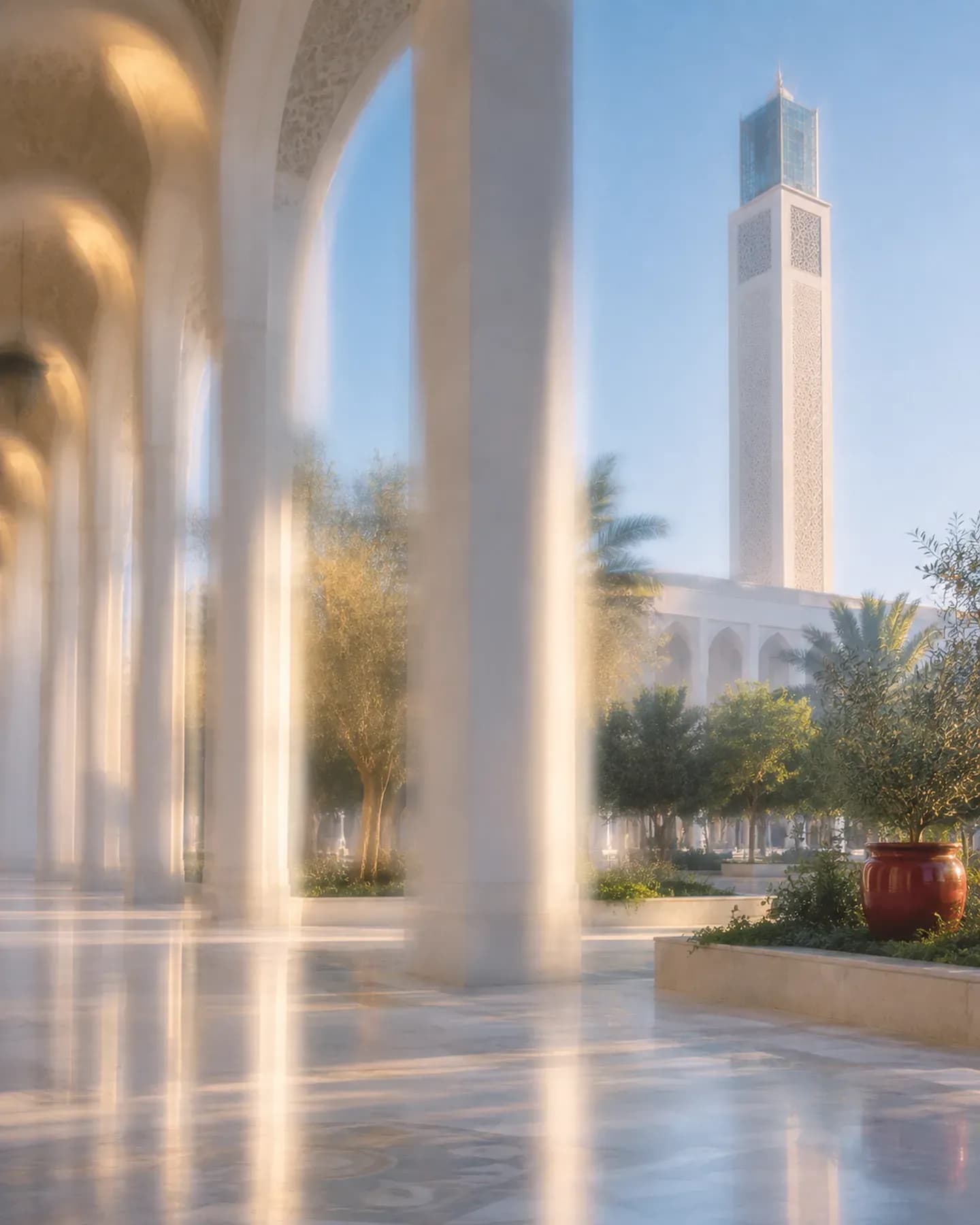
Fieldwork context in Algeria
Modern Standard Arabic is the official written base for national instruments, while Algerian Arabic is needed for natural interviewing. Tamazight should be considered for Kabyle, Chaoui, Tuareg and other Amazigh-speaking areas. Officials work mainly in Arabic, with French still common in technical files. Translation needs Arabic script review and dialect-aware back-translation.
Most people live in the northern coastal and Tell Atlas belt, with Algiers, Oran and Constantine carrying major urban weight. The Sahara covers most territory but has a smaller, dispersed population around oasis towns and oil areas. National samples need coastal urban strata plus separate southern coverage; targeted studies can focus by wilaya and settlement type.
Mobile reach is broad and phone surveys are practical, while online surveys work best in urban and younger samples. Face-to-face work must account for summer heat, long desert travel and tighter access near borders. Public or academic studies may need ministry or institutional clearance. Typical fieldwork runs about two to four weeks.
Fieldwork notes compiled from public sources by Surveysphere Africa; confirmed with our in-country partner before a study starts.
Define your local study requirements
Plan the locations, participants and practical requirements for your study.
Study locations and participants
Identify the locations and audiences you need to reach in Algeria. Confirm access and recruitment feasibility before commissioning.
Languages and methods
Specify interview languages, accessibility needs and your preferred collection approach. Local availability must be confirmed.
Timing and approvals
Share your intended fieldwork dates and any institutional or participant approval requirements.
Research approaches in Algeria
Explore the service that fits your research question.


Plan your study in Algeria.
Tell us who you need to reach in Algeria, what you need to learn and when. We will discuss the feasibility with you.
Discuss a study in Algeria